
Missed demand
Calls, messages, overflow, and after-hours moments can disappear at dealer level before the OEM sees the opportunity.
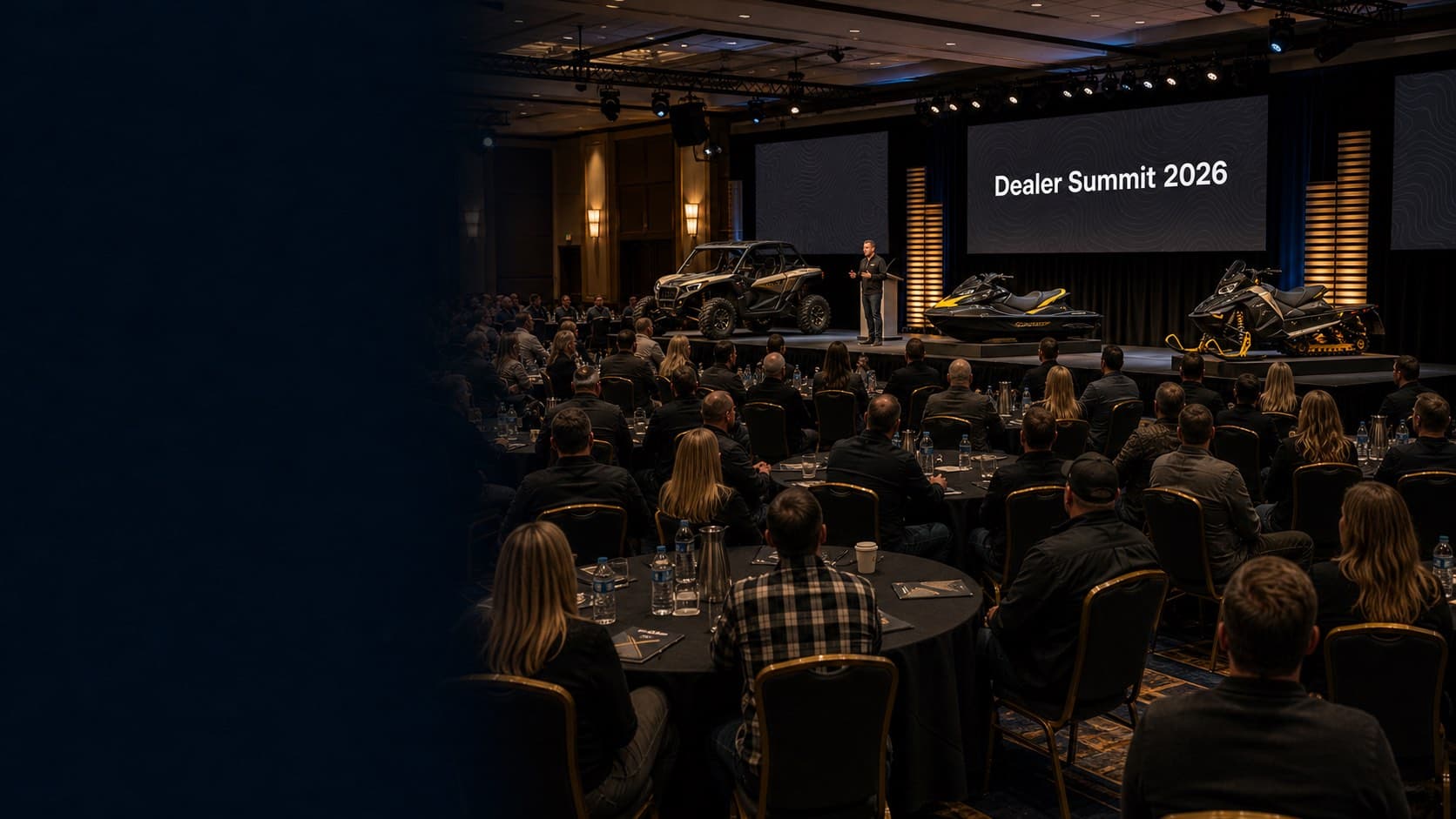
OEM dealer networks
Squawker gives OEMs a governed AI sales agent layer across their dealer network, answering calls and messages, qualifying demand, creating dealer-ready records, and showing where sales, service, and follow-up are being won or lost.
Every call answered. Every lead qualified.
Network revenue problem
Buyers call dealers, service departments, parts teams, finance teams, and regional stores. The OEM often cannot see missed calls, slow follow-up, lead quality, or which demand sources become real opportunities.
Calls, messages, overflow, and after-hours moments can disappear at dealer level before the OEM sees the opportunity.
Network teams need to know where qualified interest waits too long, reaches the wrong handoff, or never becomes owned work.
Evening and weekend demand can carry sales, service, parts, and finance intent that should become a dealer-ready record.
OEMs need clearer signals on whether demand was captured, routed, owned, and followed up across the network.
What the OEM gets
The value is not only automation. Squawker helps the OEM see where dealer demand becomes qualified records, where follow-up breaks down, and where approved product knowledge needs to guide the conversation.
Polly answers dealer calls and managed messages so more sales revenue, service revenue, parts demand, and finance intent becomes actionable.
Useful conversations become structured prospects, leads, tasks, handoffs, summaries, source context, and next actions for dealer teams.
Network operators can inspect adoption, response quality, ownership, and follow-up signals by dealer, region, brand, or rollout group.
Product, program, escalation, and compliance-sensitive context can be governed centrally while dealer-level rules stay local.
Network intelligence layer
Squawker gives OEM teams platform views and rollout signals across dealer accounts. These views help leadership understand demand quality, dealer follow-up, product interest, and source performance without claiming guaranteed benchmark results.
Demand by dealer
Which accounts are creating qualified sales, service, parts, and finance records.
Missed and overflow conversations
Where unanswered or busy-period demand is being captured by Polly instead of vanishing.
Lead quality
Which conversations contain real buying, service, booking, or follow-up intent.
Response and handoff status
Whether generated work has an owner, next action, and current status.
Campaign/source attribution
Which sources and campaigns create useful dealer demand, not only raw call volume.
Product or model interest
Which products, models, programs, or categories buyers and customers ask about.
Service and parts demand
Where non-sales conversations still create revenue and customer experience risk.
Dealer readiness
Which accounts are configured, active, supported, and ready for wider rollout.
These are operating signals from Squawker deployment, dealer activity, and configured workflows. They are not promised market benchmarks or guaranteed revenue results.
Dealer workflow
Polly answers and qualifies locally, creates prospects, leads, tasks, and handoffs, then routes the work into the dealer workflow chosen for that account.
Polly answers calls and managed message demand before the dealer loses the moment.
Squawker identifies sales, service, parts, finance, booking, product, and known-caller context.
Useful demand becomes a prospect, lead, task, handoff, summary, or qualified context package.
Dealer teams see the owner, status, next action, and context needed to follow up.
OEM teams see rollout signals, generated work, source context, and follow-up visibility.
OEM knowledge and brand control
OEM teams can govern approved product information, model and program messaging, escalation rules, and compliance-sensitive language while dealer accounts keep local hours, departments, staff routing, and CRM/DMS setup.
CRM/DMS and rollout model
The OEM program can set shared standards, knowledge controls, and reporting while dealers are enrolled by region, brand, or readiness with account-level configuration.
Operating workspace included
For dealers that want prospects, leads, messages, tasks, handoffs, owners, and follow-up inside Squawker.
Feed existing CRM/DMS
For dealers that want Polly to qualify demand and send context into their existing CRM or Dealer Management System after setup.
Proof and economics
OEM teams can review the dealer workflows, then scope markets, integrations, branding, and operating responsibilities. Commercial terms are agreed for the network deployment.
OEM deployment
Scoped commercial terms
Agree the scope and applicable charges before committing to an OEM deployment.
FAQ
Next step
OEM teams can review platform views such as captured demand, dealer adoption, generated records, response and handoff status, product or model interest, campaign source context, and rollout readiness.
Yes. Some dealers can use Squawker CRM mode, while others can use lead generator mode to receive qualified context in an existing CRM or Dealer Management System after setup.
Yes. OEM product information, program context, escalation rules, and compliance-sensitive language can be governed centrally while dealer-specific routing, hours, teams, and handoff paths stay configurable.
No. The OEM program can define shared standards and reporting while each dealer keeps the operating settings needed for its staff, systems, departments, and local workflow.
Squawker helps more dealer demand become owned follow-up, improves visibility into where dealers convert or lose opportunities, and gives OEM teams better data on sales, service, parts, campaign, and product interest across the network.